Every now and then I find myself thinking a lot about “AI Literacy”. Yes, I’m a bit of a weirdo (but that’s something I’ve accepted since I was about 13), and, honestly, I think it’s a topic that lots of people think about every day, even if they don’t have a name for it.
You see, this term appears in Article 4 of the AI Act, and it basically states that providers (who develop an AI system, or have an AI system and place it on the market) and deployers (those who use the AI system, except for personal use) must take measures to ensure a sufficient level of AI literacy amongst their staff and people who use AI systems, taking into account the specific circumstances of each case.
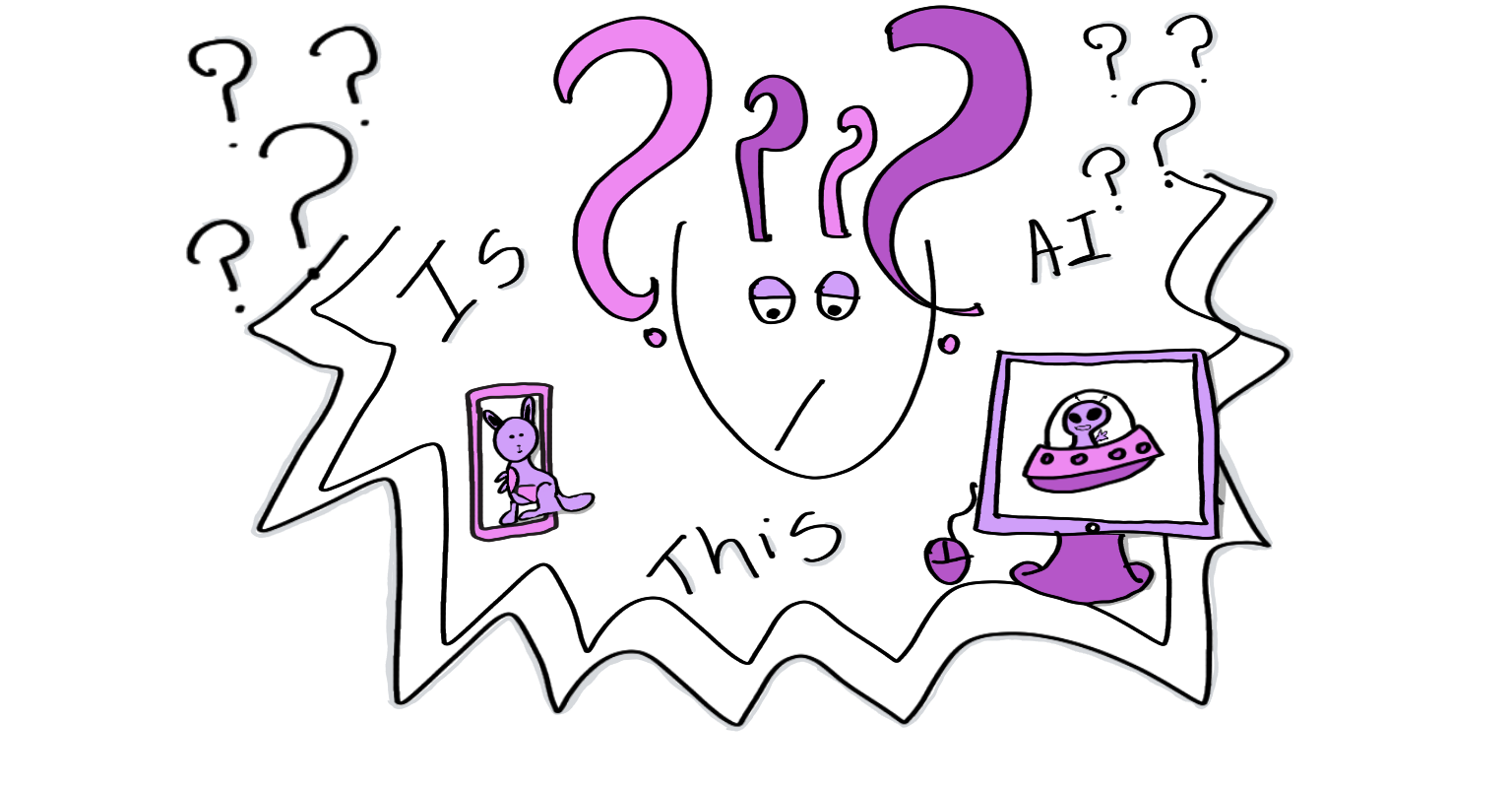
OK, but why do I find myself thinking about this term, which, to put it simply, means knowledge about AI? I think about it when I see people believing that AI-generated videos or photos are real. I think about it when I find myself asking “Is this AI?” or when I get that feeling that certain content seems a bit… off. And sometimes it’s even hard to explain why.
I don’t think I’m alone in this, as I’m constantly seeing people close to me wondering whether something is AI. There’s even a large community on Reddit that’s literally called “is this ai”. Anyway… sometimes it feels like a shared neurosis, as you only have to be mindlessly scrolling for some strange content to pop up. I also realise that this isn’t just a constant in my life, but in the lives of everyone around me too. Younger friends who get carried away by some AI-generated content (a close friend got roasted for falling for the “emotional support kangaroo at the airport”), me, who often with suspiction, and the AI output itself, which these days seems almost perfect… almost.
And why do I really think this is so important, and that companies should indeed hammer this point home to everyone who is part of an organisation? Being wary of whether a particular piece of content (be it a video or an image) has been produced by AI, and knowing how to identify whether it actually has, can be very useful. This applies particularly to professional life (and here I think the benefits can range from spotting potential scams carried out with the help of AI, to understanding why one shouldn’t share personal, strategic or confidential data with AI, and always being wary of the final product generated by AI). But this knowledge is also widely applicable to personal life.
I think it’s healthy to be sceptical about whether content is actually generated by AI, and, even more so, when using AI, to be sceptical about what it produces. We already know how much of a “suck up” it can be, so it’s always prudent not to trust it too much and to maintain that slightly sceptical eye (personal confession: it took me a long time to start using GenAI for anything, and on one occasion I used it to proofread some very important material. The AI in question “sucked up” to me, and I didn’t even suspect a thing. After receiving negative feedback on the material, I spoke to someone who knows a great deal about the subject on which I’d produced the material [and which had been reviewed, and praised, by the AI], and I understood just how naive I’d been. I felt unprepared, to say the least, but soon afterwards I realised that this mistake of placing too much trust in AI wasn’t a trap that only I had fallen into. Even large companies have fallen victim to what I believe was an excessive reliance on material reviewed [or, in this case, perhaps even produced] by AI.)
For these and other reasons, I believe that companies, together with their privacy teams, should give this topic special attention, involving everyone in the organisation. Knowing the limits, knowing what can help identify AI-generated content and raising awareness of the risks are things that concerns everyone, and, best of all, apply not only in a professional context but also widely in a personal one. This isn’t about “demonising"or banning the use of AI, but about understanding where the tool can actually be useful, without sharing personal or strategic information, and without blindly trusting the results presented. In short: using it while being aware of the risks and benefits.